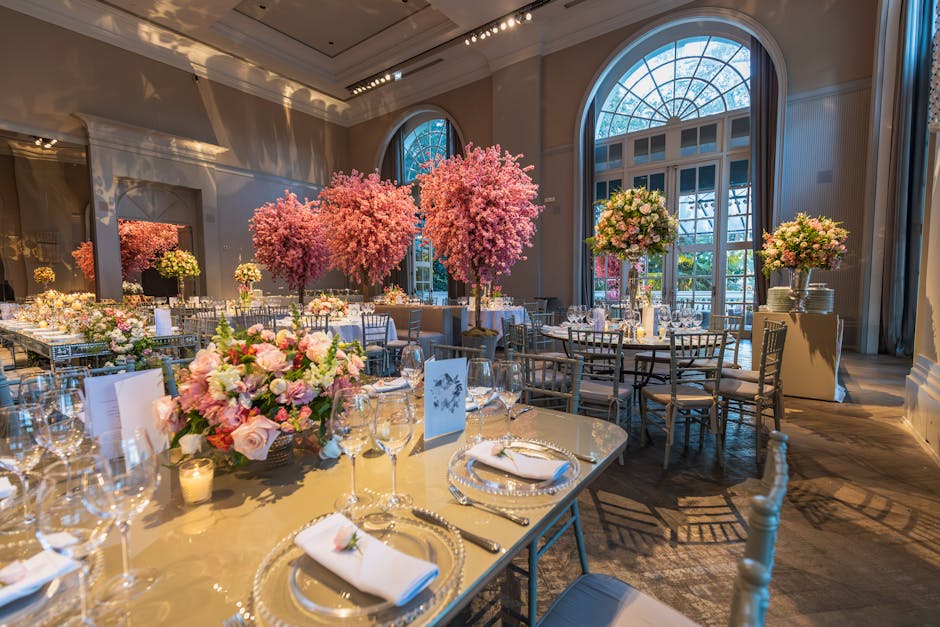
Wedding flower case study Kensington Palace Road
Posted on 03/10/2026
Wedding flower case study Kensington Palace Road: a practical guide to planning elegant wedding flowers
If you are looking into a Wedding flower case study Kensington Palace Road, chances are you want more than pretty pictures. You want to understand how wedding flowers are planned, what actually matters on the day, and how a local florist approach can turn a venue into something memorable without creating avoidable stress. That is the real job, truth be told.
Kensington Palace Road sits in a part of London where the setting itself already does some of the heavy lifting. So the flowers have to work with the space, the light, the pace of the day, and the expectations of guests who notice the small details. In this guide, we will break down the process in a practical way: what a wedding flower case study means, how the work is shaped, what benefits it brings, and what to watch out for if you are planning your own wedding flowers in South Kensington and nearby streets.
We will also cover useful style choices, timing, best practice, and a realistic step-by-step flow so you can make good decisions calmly. No fluff. Just the kind of detail that helps when the venue call starts coming in and the list gets longer than you expected.
- Quick promise: you will leave with a clearer idea of what a strong wedding flower plan looks like.
- Local relevance: the article is written with Kensington and SW7-style weddings in mind.
- Practical focus: fewer vague ideas, more real decisions.
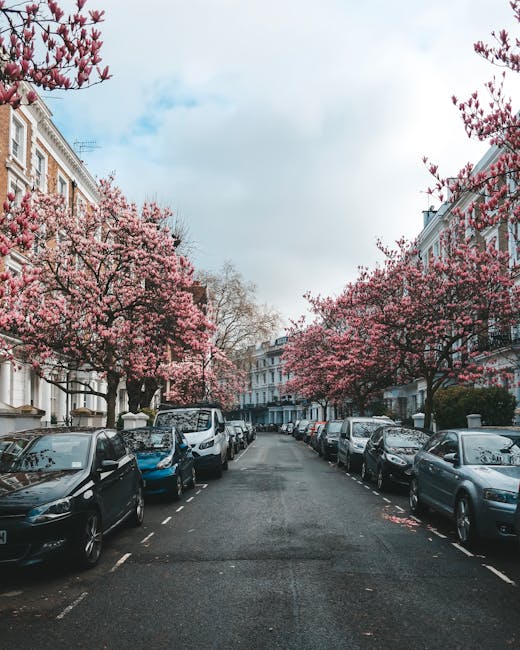
Table of Contents
- Why Wedding flower case study Kensington Palace Road Matters
- How Wedding flower case study Kensington Palace Road Works
- Key Benefits and Practical Advantages
- Who This Is For and When It Makes Sense
- Step-by-Step Guidance
- Expert Tips for Better Results
- Common Mistakes to Avoid
- Tools, Resources and Recommendations
- Law, Compliance, Standards, or Best Practice
- Options, Methods, or Comparison Table
- Case Study or Real-World Example
- Practical Checklist
- Conclusion
- Frequently Asked Questions
Why Wedding flower case study Kensington Palace Road Matters
A wedding flower case study matters because it shows how floral design behaves in the real world, not just on a mood board. That sounds obvious, but it is exactly where many plans fall apart. A bouquet can look beautiful online and still be wrong for the season, the venue, the transport route, or the tone of the wedding.
On Kensington Palace Road, presentation matters. It is a location associated with polished events, elegant arrivals, and a certain visual standard. Flowers in that context are not just decoration. They are part of the atmosphere. They help guide the eye, soften formal spaces, and create continuity between the ceremony, photographs, and reception styling.
Why does that matter to you? Because a strong flower plan can quietly solve several problems at once:
- it makes the venue feel more personal
- it helps wedding photos look cohesive
- it ties colour palette and dress details together
- it supports the overall guest experience without shouting for attention
There is also a more practical side. A wedding in central London can involve access timing, traffic, narrow loading windows, and the usual last-minute wobble that happens when everyone suddenly needs one more buttonhole. A good case study helps you see how those moving parts can be handled sensibly.
To be fair, that is where expert floristry earns its keep. Not in the first pretty idea, but in the careful follow-through.
How Wedding flower case study Kensington Palace Road Works
A wedding flower case study is usually built from a planning process that begins with the venue and ends with installation. The better the process, the smoother the day. In a Kensington Palace Road context, the flow tends to be shaped by space, access, style expectations, and the number of floral touchpoints the couple wants to include.
1. Start with the venue and the ceremony flow
Before choosing roses or lilies or anything else, look at the space. Is the ceremony intimate? Does the room already have strong features? Will the flowers need to frame an aisle, soften a registrar table, or make a large reception room feel less severe? These questions set the scale.
2. Define the style story
The best wedding flowers do not just match the colour scheme. They support a mood. Romantic and airy, structured and formal, modern and minimal, classic white and green, or rich and luxurious. The style story should be simple enough to remember and flexible enough to work across bouquets, table flowers, and wearable pieces.
3. Choose hero pieces and supporting pieces
Most weddings need a few focal items that do the visual work, then smaller pieces that carry the theme through the rest of the day. Common hero pieces include the bridal bouquet, ceremony flowers, and reception centrepieces. Supporting pieces might be bridesmaid bouquets, buttonholes, corsages, and table arrangements.
4. Build around seasonality and availability
This is where practical floristry saves money and stress. Flowers that are in season and suited to the look you want are usually easier to source and often hold up better. A florist should be able to suggest alternatives if a specific bloom is not ideal at the time of the wedding. That is not a downgrade; it is normal professional judgement.
5. Plan delivery, conditioning, and installation
Flowers are living materials. They need care before they are placed on display. Conditioning, hydration, cool storage, careful transport, and timely installation all matter. If the day is warm or there is a delay in access, the plan should allow for that. Little things add up fast.
6. Review how the flowers photograph
Some flowers look different in natural light, especially near windows or in the softer tones of indoor spaces. This is one reason white, blush, cream, and green palettes are so popular for wedding florals in elegant London settings. They tend to photograph well without looking overworked.
When the process works properly, the couple sees only the outcome. The bouquet feels right in the hand, the table flowers sit comfortably in the room, and the whole event feels composed rather than crowded. Easy to say, harder to do. But very achievable.
Key Benefits and Practical Advantages
A well-planned wedding flower project offers more than visual beauty. The practical advantages are often what couples appreciate most once the day is underway.
- Better coordination: one floral concept carried across the whole day creates visual unity.
- Less decision fatigue: a clear plan removes endless back-and-forth on small choices.
- Improved photos: coherent colours and shapes help the photography look cleaner and more timeless.
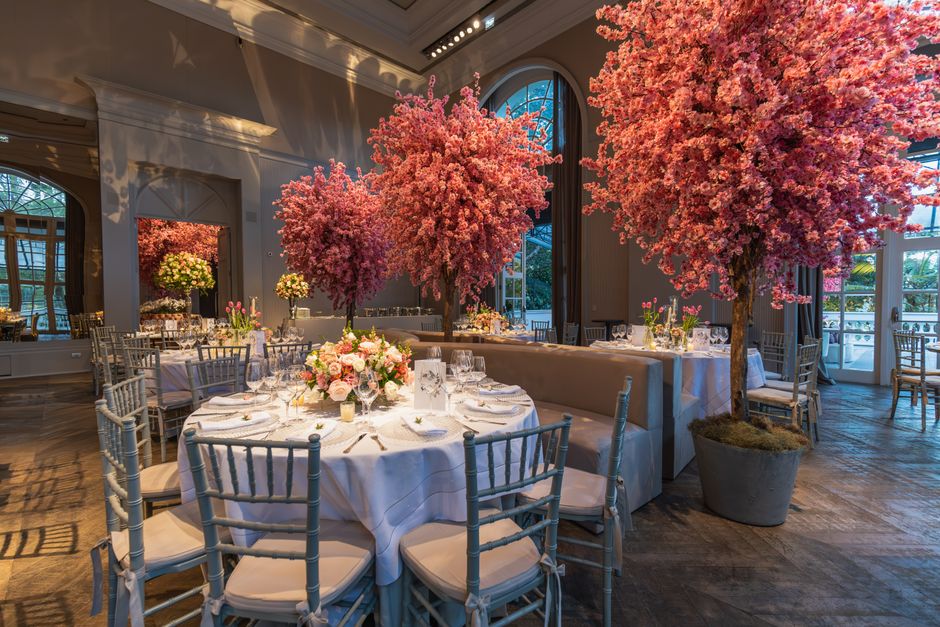
- Venue sensitivity: flowers can respond to the scale and architecture of the room instead of fighting it.
- Lower risk of last-minute surprises: a good florist plan includes delivery, timing, and substitution options.
There is also an emotional benefit that is easy to overlook. Flowers can make a wedding feel like your wedding very quickly. Not in a loud, theatrical way. More like a quiet certainty. Guests walk in and the space feels intentional.
For couples planning near Kensington Palace Road, this matters because the surroundings already carry a sense of occasion. The right flowers help that feeling land properly. The wrong ones, even if expensive, can feel oddly disconnected.
A practical example of the benefit
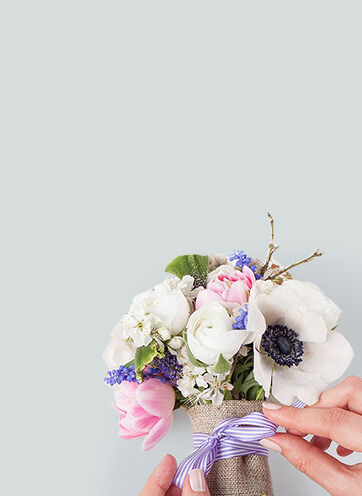
Imagine a ceremony with a white and green palette, a bride's bouquet with roses and lisianthus, simple buttonholes, and low table arrangements for the reception. Nothing extravagant. But if the flowers are carefully scaled and repeated in the right places, the entire event can look calm, elegant, and expensive without being fussy. That is often the sweet spot.
Who This Is For and When It Makes Sense
This kind of wedding flower planning makes sense for a few different groups of people.
Couples planning a wedding in South Kensington or nearby central London
If your venue, hotel, reception, or ceremony location is within easy reach of Kensington Palace Road, a local flower plan can reduce delivery friction and make timing simpler. Central London logistics can be a bit of a juggle, so local awareness helps.
Couples who want a polished look without overcomplicating the design
You do not need ten different varieties and six colour tones to make a wedding look beautiful. In fact, a tighter palette often looks better. The case study approach is ideal if you want elegance, not chaos.
Wedding planners and family members helping with the floral brief
Planners and family decision-makers often need a clear reference point. A case study helps everyone understand what the flowers need to do, what the budget is being used for, and where to keep things simple.
Anyone comparing florist options
If you are still deciding between florists, examples of wedding flower planning are useful because they show style, reliability, and practical thinking. You can learn a lot from the way someone talks about installation, timing, and substitutions. Usually more than from a glossy image alone, anyway.
It is also worth saying that this approach suits couples who want a florist that can think beyond the bouquet. The whole wedding matters: bridal flowers, bridesmaid bouquets, buttonholes, table arrangements, ceremony styling, and the little transition points in between.
Step-by-Step Guidance
Here is a realistic step-by-step flow for planning wedding flowers around Kensington Palace Road.
- Confirm the venue details early. Ask about access times, unloading points, room changes, and any restrictions on candles, petals, or structures.
- Set the floral priorities. Decide what matters most: bouquet, ceremony flowers, centrepieces, or wearable flowers.
- Choose a clear palette. Pick a base of two or three colours or tonal family. White and green, blush and ivory, soft purple, or mixed pastels all work differently.
- Match scale to the space. Big rooms need stronger floral presence. Smaller rooms usually benefit from lighter, more refined pieces.
- Select the key stems and designs. Examples might include roses, lisianthus, orchids, lilies, hydrangea, carnations, or mixed seasonal flowers depending on the look.
- Plan the bouquet hierarchy. Bridal bouquet first, then bridesmaid bouquets, then buttonholes and corsages, then table or ceremony arrangements.
- Decide on delivery and setup timing. Weddings run on a clock, and flowers should be scheduled around that clock, not the other way around.
- Allow a little flexibility. Seasonal substitutions are normal and often improve the final design. Strange sentence maybe, but true.
- Review a sample plan or visual reference. Even a simple mood board can stop misunderstandings before they start.
- Confirm final quantities. Count buttonholes, bouquets, table pieces, and any extras such as gift flowers or thank-you flowers.
A small but important detail: ask how the flowers will arrive. Wrapped, boxed, vase-contained, or installed on site. The format changes how quickly they can be used and how much handling is required. That sounds minor, but on a wedding morning it can be the difference between calm and mild panic.
Expert Tips for Better Results
These are the sorts of things experienced florists tend to think about early, even if the couple only notices them later.
Keep the palette tighter than you think you need
A restrained palette almost always ages better in photos. If you love colour, by all means use it. Just make sure the tones work together instead of competing.
Use the bouquet as the design anchor
The bride's bouquet usually sets the tone for the rest of the flowers. If it feels balanced, the rest of the plan becomes easier. If it feels too busy or too small, everything else can wobble a bit.
Think in layers, not just individual items
One bouquet is lovely. But how does it relate to the bridesmaid flowers, the buttonholes, and the reception tables? The whole design should feel connected, not copied.
Be honest about the venue conditions
Hot rooms, long delivery windows, and small prep spaces can affect flower choice. This is especially relevant in central London, where access is rarely perfectly dreamy. Ask practical questions early.
Choose flowers that suit the mood, not just the trend
Social media trends move quickly. Weddings do not need to. If a flower fits the dress, the venue, and the season, it is a better choice than whatever is currently being pushed around online.
A slightly humorous but true point: flowers do not care about your spreadsheet. They care about water, temperature, and timing. The rest is us trying to keep everyone happy.
Common Mistakes to Avoid
Plenty can go right with wedding flowers, but there are a few common traps that come up again and again.
- Choosing flowers before understanding the venue. A design that works in a grand hall may look oversized in a smaller room.
- Trying to include too many ideas. The more styles, colours, and flowers you add, the harder it is to keep the design coherent.
- Ignoring the season. Forcing an out-of-season look can increase cost and reduce reliability.
- Underestimating transport and setup time. Flowers need careful handling, especially in central London traffic.
- Forgetting the wearable flowers. Buttonholes, corsages, and bridesmaid bouquets matter more than people think.
- Not planning for substitutions. Good florists work with availability. That is normal, not a compromise.
One surprisingly common mistake is overfilling the room. A few well-placed arrangements can look far more elegant than lots of small ones scattered everywhere. Less can genuinely be more here. Really.
Another one: forgetting how the flowers will be photographed. If the arrangements are too dark, too dense, or too tiny for the setting, they may disappear in images. That is a shame, because you only get one go at the wedding day.
Tools, Resources and Recommendations
You do not need a giant toolkit to plan wedding flowers well, but a few simple resources help enormously.
- A mood board: useful for showing colour, shape, and atmosphere.
- A guest and supplier count: helps determine buttonholes, bridesmaid bouquets, corsages, and table quantities.
- Venue photographs: ask for images of the room in daylight and in evening setup conditions if possible.
- A clear budget split: decide what is for the bouquet, ceremony, reception, and wearable flowers.
- Flower care guidance: useful for any blooms that need to last beyond the ceremony or into the next day.
If you are comparing styles, it can help to look at product categories that mirror real wedding decisions. For example, bridal flowers, bridesmaid flowers, buttonholes, and table arrangements are all distinct decisions, not one generic floral order. A florist that treats them separately usually gives better results.
For a more floral, premium look, collections and pieces such as wedding collections, bridal bouquets, bridesmaid bouquets, buttonholes, and table arrangements can be useful reference points when shaping a brief.
If you are still broadening the idea, the general wedding flowers in South Kensington page is a practical place to compare styles and service expectations before you commit.
Law, Compliance, Standards, or Best Practice
For wedding flowers, the main concerns are usually not legal complexity in the strict sense, but best practice, venue rules, safety, and consumer clarity. That said, these points matter.
- Venue permissions: some venues restrict open flames, confetti, fixing methods, or installation timing.
- Delivery and access rules: central London venues often have specific unloading windows and visitor procedures.
- Food and drink proximity: floral materials should be kept away from exposed food where appropriate and handled cleanly.
- Allergen awareness: certain flowers and foliage may be more noticeable for sensitive guests. It is sensible to flag this if relevant.
- Consumer clarity: the couple should know what is included, what is seasonal, and what may need substitution.
Best practice in floristry also means careful conditioning, safe transport, and realistic promises. If a florist says a particular bloom can be secured regardless of season and supply conditions, that is worth questioning gently. Floral supply is not magic. Close, but no.
It is also wise to consider sustainability in a calm, practical way. Reusable vessels, seasonal flowers, fewer unnecessary imports, and efficient delivery planning can all help reduce waste without compromising the design. If that matters to you, ask early rather than after the quote arrives.
Options, Methods, or Comparison Table
There is no single right way to approach wedding flowers on Kensington Palace Road. The best method depends on budget, venue size, and style preference. Here is a simple comparison to help.
| Approach | Best for | Strengths | Trade-offs |
|---|---|---|---|
| Minimal elegant design | Smaller weddings, refined venues, tighter budgets | Clean, timeless, easy to manage | Less visual impact in very large rooms |
| Classic romantic design | Traditional weddings, soft colour palettes | Universally flattering, photographs well | Can feel familiar if not styled carefully |
| Luxury layered design | High-impact venues, formal receptions | Strong visual presence, rich detail | Higher cost and more logistics |
| Seasonal mixed design | Couples who want freshness and variety | Natural, lively, often better value | Needs a flexible brief and good florist judgment |
In practice, most weddings sit somewhere between the first and second rows. A little structure, a little softness, and a plan that does not collapse when one flower type needs to be swapped out. That is the sweet spot.
Case Study or Real-World Example
Here is a realistic example of how a Kensington Palace Road wedding flower project might come together.
A couple wants an elegant London wedding with a calm, polished feel. They are not trying to turn the venue into a botanical garden. They want the flowers to support the occasion quietly and beautifully. The brief includes a bridal bouquet, three bridesmaid bouquets, buttonholes for the groom and key guests, and low reception table arrangements.
The chosen direction is a soft white-and-green palette with a few delicate blush accents. The bouquet includes roses, lisianthus, and a little texture from supporting stems. Bridesmaid bouquets are smaller, lighter versions of the same style. The buttonholes are simple and restrained, so they do not distract from the suits. Table arrangements stay low enough for conversation, which sounds obvious, but people forget.
The couple also wants the flowers to feel suitable for both ceremony photos and the reception room. So the florist keeps the shapes cohesive, avoids overly heavy foliage, and uses a design that reads well from a distance. A few pieces are delivered and installed before guests arrive, and the rest are brought in once the room is ready.
What makes this kind of case study useful is not the exact flowers. It is the thought process. The flowers respond to the venue. The venue does not have to be forced to fit the flowers. That is a huge difference.
Expert summary: the strongest wedding flower plans balance beauty, venue fit, and logistics. If the design is lovely but difficult to install, or easy to deliver but wrong for the room, it is not really a good plan yet.
Practical Checklist
Use this checklist if you are planning wedding flowers around Kensington Palace Road or a nearby SW7 venue.
- Confirm the ceremony and reception venue details
- Check access times and delivery restrictions
- Decide the main floral style: classic, romantic, modern, or luxury
- Choose a simple colour palette
- List all required items: bouquet, bridesmaid bouquets, buttonholes, corsages, table flowers
- Ask about seasonal substitutions
- Review photographs or examples of similar work
- Confirm whether installation is included
- Check if flowers need to last all day or overnight
- Share any allergy or venue concerns early
- Confirm final quantities before the event
- Keep a contact number handy for the wedding morning
If that list feels a bit long, fair enough. Weddings do that. But once it is written down, the moving parts become far easier to manage.
Conclusion
A strong Wedding flower case study Kensington Palace Road is really a study in good judgement. The flowers need to suit the venue, support the day, and arrive looking composed rather than overworked. When that happens, everything feels more intentional. The room looks better, the photographs feel calmer, and the couple gets to enjoy the day without worrying about where the arrangements are supposed to go.
If you are planning your own wedding flowers, keep the brief simple, ask the practical questions early, and choose a florist who understands both design and logistics. That combination matters more than almost anything else. It really does.
Get a free quote today and see how much you can save.
And if you are still narrowing down options, take your time. The right flowers have a way of settling into the day like they were always meant to be there.
Frequently Asked Questions
What does a wedding flower case study actually show?
It shows how a floral design works in a real wedding setting, including style choices, venue fit, practical logistics, and how the flowers support the day overall.
Why is Kensington Palace Road a useful location for a wedding flower case study?
Because it sits in a central London setting where presentation, timing, and venue awareness matter. It is a good example of how flowers need to perform both visually and practically.
How far in advance should wedding flowers be planned?
Ideally as early as possible, especially if you want a specific style or seasonal flowers. Early planning gives more room for design changes and venue coordination.
Can wedding flowers be kept simple and still look elegant?
Absolutely. In fact, simple designs often look more refined, especially in polished city venues. A tighter palette and better scaling can be more effective than lots of variety.
What flowers are commonly used for wedding bouquets?
Roses, lisianthus, orchids, lilies, hydrangea, and seasonal mixed flowers are all commonly used, depending on the desired look and the time of year.
How do I choose between a classic and modern wedding flower style?
Start with the venue and the feel of the day. Classic designs usually lean softer and more romantic, while modern designs often use cleaner lines, simpler palettes, and less visual clutter.
Are buttonholes and corsages really necessary?
Not always, but they often help tie the floral story together. They can make the wedding party look more coordinated and polished in photographs.
What should I ask a florist before booking wedding flowers?
Ask about style, seasonality, delivery, installation, substitution policy, and what is included in the quote. Those questions save a lot of confusion later.
How can I make wedding flowers work better in photos?
Choose a colour palette that suits the lighting, keep arrangements proportionate to the room, and avoid overcomplicated mixes that may look messy on camera.
Do I need to worry about venue rules for wedding flowers?
Yes, especially in central London. Some venues have rules about access, installation timing, flames, or how items can be fixed in place. Always check early.
Can seasonal substitutions affect the final design?
They can, but not necessarily in a bad way. A good florist will choose substitutions that preserve the look and improve reliability. That is normal practice, not a problem.
What is the best next step if I want wedding flowers near Kensington Palace Road?
Start with your venue details, budget, and style preferences, then speak with a florist who understands local delivery and wedding logistics. A clear brief usually leads to a much smoother result.